When it comes to choosing between epoxy and cement grout for your project, it’s crucial to weigh your options carefully. Each type has its unique advantages and drawbacks that can significantly impact the outcome. Whether you prioritize durability or cost-effectiveness, understanding the differences is key. So, how do you determine which grout aligns best with your specific needs and environment? Let’s break down the essentials to help you make an informed decision.
Understanding Epoxy Grout
Epoxy grout is a high-performance material that provides a durable and water-resistant solution for tile installations.
When you choose epoxy grout, you’re opting for a product that resists stains, chemicals, and moisture, making it perfect for high-traffic areas or spaces prone to spills.
Its unique composition consists of epoxy resins and a hardener, creating a strong bond that withstands heavy use.
You’ll appreciate how easy it’s to clean, as it doesn’t harbor mold or mildew like traditional grouts.
Plus, the variety of colors available allows you to customize your design.
Just remember that while it’s more challenging to apply than cement grout, the long-term benefits often outweigh the initial effort.
Your tiles deserve the best, and epoxy grout delivers.
Exploring Cement Grout
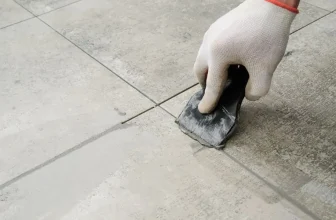
Cement grout, a popular choice among DIY enthusiasts and professionals alike, offers a reliable option for filling gaps between tiles.
It’s made from a mixture of cement, water, and sometimes sand, creating a strong bond that holds tiles securely in place. You’ll find it in various colors, allowing you to match it with your tile design.
One of the key benefits is its affordability; cement grout is typically less expensive than epoxy alternatives. Installation is straightforward, making it accessible for beginners.
However, you should be aware that it may require sealing to prevent moisture absorption and staining.
Comparing Durability and Maintenance
When it comes to durability and maintenance, the differences between epoxy and cement grout become more apparent.
Epoxy grout is known for its exceptional strength and resistance to stains, chemicals, and moisture, making it ideal for high-traffic areas and wet environments. You won’t have to worry about mold or mildew buildup, as it’s non-porous.
On the other hand, cement grout is more susceptible to cracking and staining, requiring regular sealing and maintenance to keep it looking its best. While it’s easier to work with and often more affordable, you might find yourself repairing or replacing it sooner than epoxy.
Ultimately, your choice hinges on how much wear and tear you expect, and how much effort you’re willing to invest in upkeep.
Choosing the Right Grout for Your Project
How do you decide between epoxy and cement grout for your project? First, consider the environment. If you’re tiling in a high-moisture area like a bathroom or kitchen, epoxy’s water resistance makes it a stronger choice.
Next, think about the tile material and size. Epoxy works well with glass or polished surfaces, while cement grout is often better for natural stone.
Also, evaluate your budget. Cement grout is generally cheaper and easier to install, but if you’re after long-lasting results with minimal maintenance, epoxy may justify the cost.
Finally, assess your skill level. If you’re a DIY enthusiast, the easier application of cement grout might suit you better.
Ultimately, weigh these factors to find the best grout for your needs.
Conclusion
When choosing between epoxy and cement grout, consider your project’s specific needs. If you’re working in a high-moisture area or want enhanced durability and stain resistance, epoxy might be your best bet. However, if you’re on a budget or prefer a simpler DIY approach, cement grout could be the way to go. Ultimately, weigh the importance of longevity against affordability, and you’ll find the right grout for your tiles and environment.
Trending Products